Paying for Capability You Cannot Access: The Operator-System Gap Costing US Manufacturers More Than They Realize
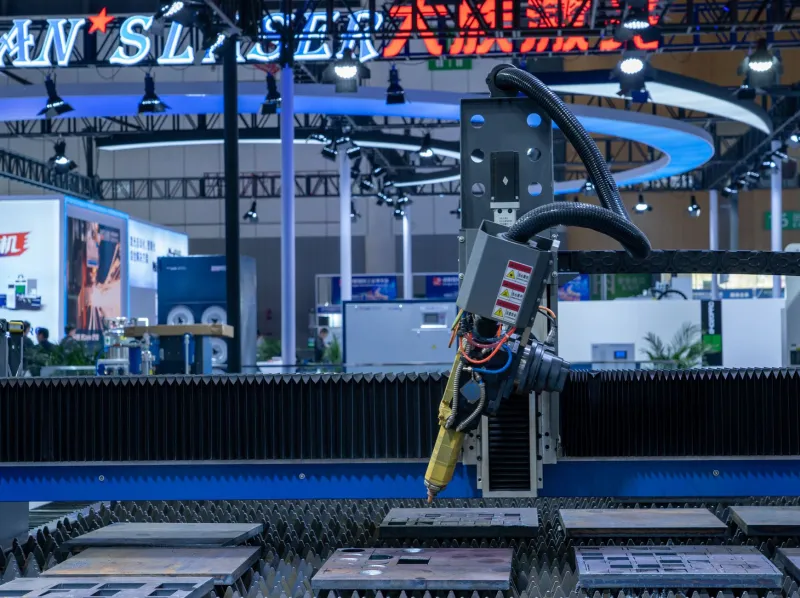
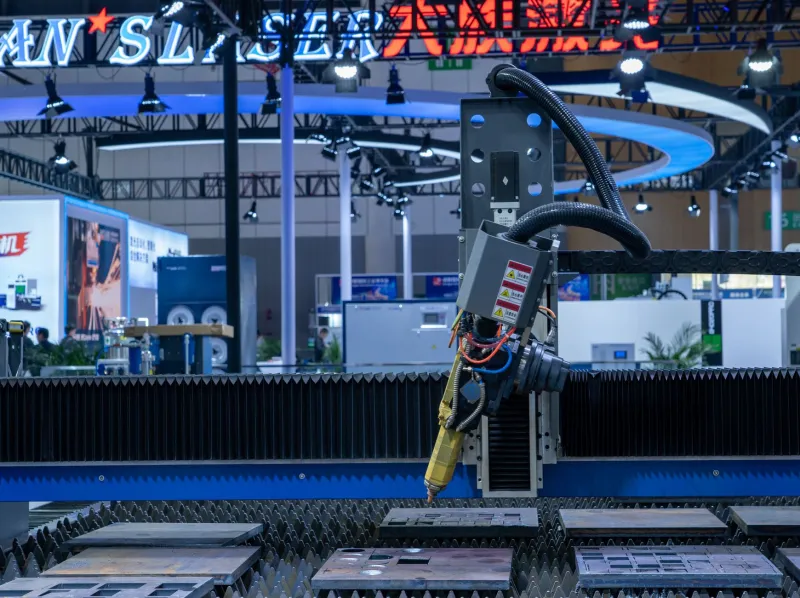
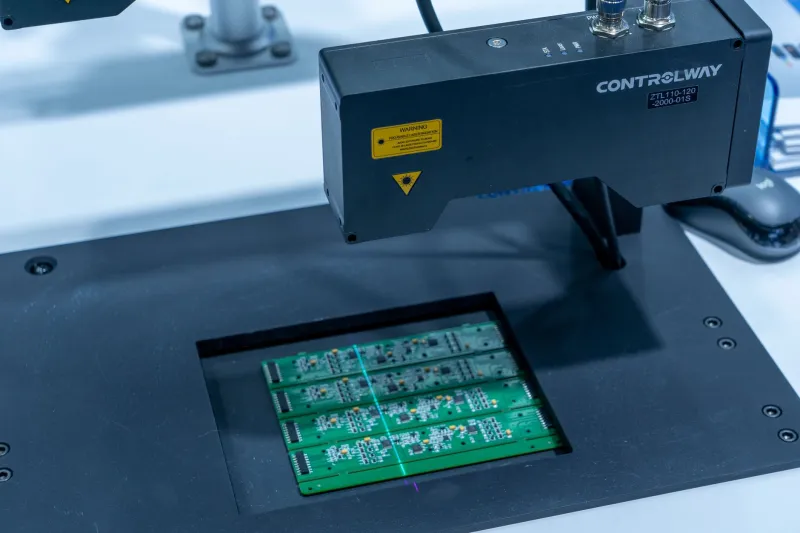
There is a particular kind of waste that does not appear on any line item. It does not trigger a purchase order, generate a maintenance ticket, or show up in an end-of-quarter variance report. It is the waste produced when a manufacturing facility acquires a sophisticated laser system—one capable of micron-level precision, adaptive parameter control, and real-time feedback integration—and then operates it the same way it would have operated the machine it replaced.
This is not a fringe problem. Across American manufacturing, from aerospace subcontractors in the Midwest to medical device producers on the East Coast, the pattern repeats with enough consistency to constitute an industry-wide structural issue. The equipment investment is real. The capability gap is equally real. And the cost of that gap is being absorbed quietly, shift by shift, without ever being formally recognized.
The Investment Is Made. The Value Is Not.
When a facility commits to a new laser platform—whether fiber, CO₂, ultrashort pulse, or a hybrid configuration—the capital decision is typically driven by a combination of production requirements, competitive pressure, and vendor demonstration. The system performs impressively in controlled conditions. The purchase is approved. The machine arrives.
What follows is where the divergence begins.
Installation and commissioning proceed according to schedule. Operators are trained, usually in a compressed window that covers basic function and safety protocol. Production resumes. And from that point forward, the system is used—but it is rarely understood.
The distinction matters. Using a laser system means running it through its standard operating parameters, processing the materials it was configured to handle, and responding to errors when they surface. Understanding a laser system means knowing why those parameters were set where they were, what the system's actual performance envelope looks like under variable load conditions, how the beam quality characteristics interact with specific substrate properties, and what the diagnostic outputs are communicating about long-term component health.
Most operators in US manufacturing facilities are trained to use. Very few are positioned to understand. That gap is not a reflection of individual competence. It is a structural outcome produced by the way manufacturing organizations budget, hire, and transfer knowledge.
The Budget Silo Problem
Capital expenditure and workforce development are almost universally funded from separate budget pools. The capital budget acquires the machine. The training budget—if it exists as a distinct line item at all—covers initial certification and perhaps an annual refresher. Advanced technical development, the kind that would allow an operator to genuinely exploit the full capability range of a modern laser platform, rarely has a home in either budget.
This creates a situation where the organization has made a significant commitment to technology but has not made a proportional commitment to the human infrastructure required to leverage it. The machine is worth its purchase price only to the extent that the people running it can extract its designed value. When that extraction is incomplete, the effective cost per unit of output is higher than it should be—and the competitive advantage the system was purchased to deliver is only partially realized.
The problem is compounded by the pace of laser technology development. A system purchased in 2022 is already operating in a different technical landscape than the one that existed when the purchase decision was made. Software updates have added capabilities. Peripheral integration options have expanded. Process optimization techniques have evolved. Unless the workforce has evolved alongside the equipment, the organization is perpetually operating behind the curve of its own investment.
Hiring Freezes and Knowledge Transfer Friction
Beyond budget structure, two additional organizational dynamics reinforce the capability gap: hiring constraints and the breakdown of internal knowledge transfer.
Many US manufacturing facilities have operated under sustained hiring pressure since the early 2020s. The combination of a constrained skilled-trades labor market and cautious headcount management has left a significant number of facilities understaffed relative to the technical complexity of their equipment. When a laser system requires a specialist-level operator and that position cannot be filled, the machine is assigned to whoever is available. That individual may be capable and diligent. They are nonetheless operating outside their depth, and the system's more sophisticated capabilities go unused.
Knowledge transfer presents a different but related challenge. In facilities where experienced operators do possess a genuine understanding of their laser systems, that knowledge is rarely formalized. It exists as procedural intuition—accumulated through years of direct experience—rather than documented process. When those operators retire, transfer, or leave the organization, the knowledge leaves with them. The incoming workforce starts from a lower baseline, and the cycle of underutilization continues.
What Full Utilization Actually Looks Like
The organizations that consistently extract full value from their laser investments share a set of recognizable characteristics. They treat operator development as a capital-adjacent expense, not a discretionary training line item. They establish formal documentation requirements for process knowledge, ensuring that what experienced personnel know is captured in a form that can be transferred. They engage their equipment vendors not just at the point of purchase but on an ongoing basis, taking advantage of application support resources that most vendors offer but few customers fully utilize.
They also measure utilization explicitly. Not runtime—runtime is a blunt instrument that tells you the machine was on, not what it was doing. Genuine utilization measurement tracks parameter efficiency, yield rates across material types, and the frequency with which advanced system features are being actively deployed.
For facilities that have not yet established these practices, the starting point is an honest audit: not of the equipment, but of the organization's relationship to it. What does your workforce currently know about your laser systems? What would they need to know to operate them at full capability? And what is the cost, in real production terms, of the distance between those two points?
The Competitive Dimension
American manufacturing operates in a global competitive environment where productivity margins are measured in fractions. A laser system operating at 70 percent of its designed capability is not a neutral outcome—it is a competitive disadvantage expressed in output rates, quality consistency, and cost per part. When that underperformance is systemic rather than isolated, the cumulative effect on a facility's market position is substantial.
The technology investment has already been made. The question facing US manufacturing leaders is whether they are willing to make the organizational investment required to ensure that the capital expenditure actually delivers what it was purchased to deliver. The answer to that question will determine not just the return on a single equipment purchase, but the long-term trajectory of their competitive position in an increasingly precision-dependent market.