The Razor-and-Blades Playbook: Reading the Real Price of a Laser System Before You Sign
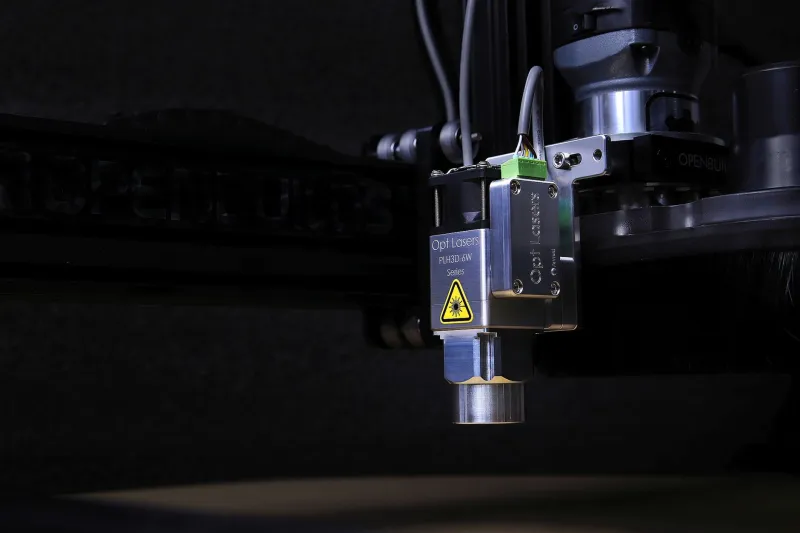
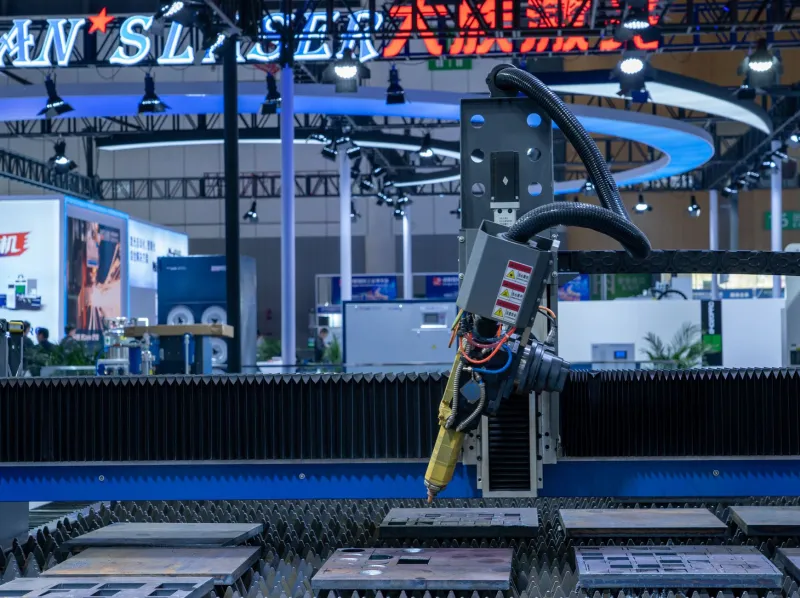
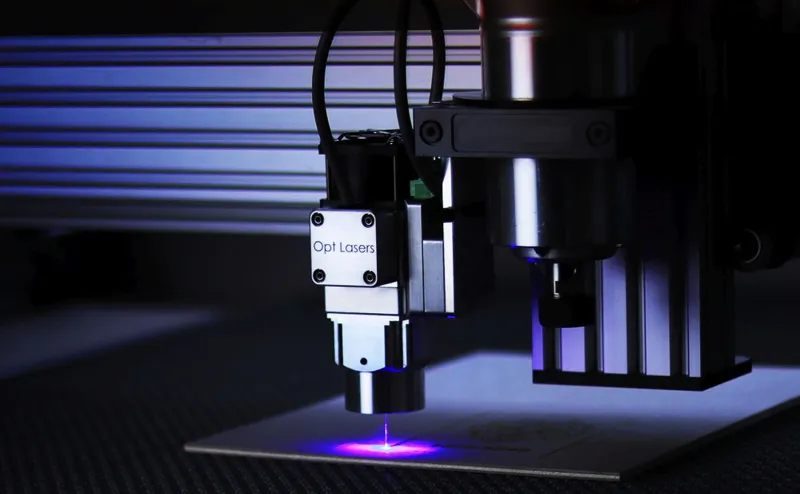
Every experienced industrial buyer knows the razor-and-blades model, even if they have never heard the term. Give away the handle, profit on the cartridges. In the laser equipment industry, the model has been refined to a fine edge: hardware priced at or near cost to win the purchase order, followed by years of revenue extracted from nozzles, lenses, protective windows, service agreements, and a parts catalog that only opens with the vendor's key.
There is nothing inherently fraudulent about this. Vendors deserve to earn a return, and bundled service has genuine value for shops without in-house laser expertise. But the structure deserves scrutiny, because it systematically distorts the buying decision. The cheapest machine on the quote sheet is frequently the most expensive system to own.
Where the Margin Actually Lives
Look at the economics of a mid-size fiber laser cutting system over a five-year life. Depending on utilization, a shop may consume thousands of nozzles, hundreds of protective lenses and windows, and a meaningful number of focus lenses and ceramic rings. At list price, proprietary consumables for a heavily used machine can run $15,000 to $40,000 per year. Add a service contract, and the annual spend on the vendor relationship can rival the depreciation on the machine itself.
Now layer on the structural protections: consumables keyed to specific head designs, firmware that flags third-party parts, warranty terms voided by non-OEM components, and diagnostic software accessible only through authorized dealers. Each is defensible individually. Together, they amount to a toll booth on your own machine.
Calculating Total Cost of Ownership Honestly
Before signing, build a five-year model with these line items:
- Consumables at list price, using your projected utilization — not the vendor's optimistic sample volume.
- Consumables at third-party pricing, where available, to quantify the proprietary premium.
- Service contract cost versus estimated break-fix cost at your actual labor rates, including the realistic price of downtime.
- Training and access costs: what happens after the 'free training' hours are spent? What does a service call cost, and what is the guaranteed response time?
- Lock-in exposure: what would it cost to source parts and service if the vendor relationship ended — or if the vendor did?
The last point matters more than most buyers admit. The laser equipment market has seen consolidation, discontinuation, and dealer turnover. A machine whose diagnostics and consumables depend entirely on one company's continued goodwill is a concentration risk dressed up as a partnership.
What Transparency Should Look Like
Buyers are not asking vendors to abandon profitable business models. They are asking for three things: consumables pricing published or quoted in advance for the life of the machine, service terms that survive resale, and no firmware-level punishment for choosing a qualified alternative part. A handful of manufacturers now compete on exactly this basis, publishing consumable pricing and supporting open parts ecosystems. That trend deserves encouragement, because it forces the rest of the market to compete on total cost rather than teaser price.
The Negotiation That Changes the Math
Armed with a five-year model, a buyer can negotiate what actually matters: consumable pricing locked for a defined term, extended training allocations, guaranteed service response times with real penalties, and written confirmation that third-party consumables of equivalent specification will not void coverage. Vendors concede these points more readily than buyers assume — particularly when the alternative is losing the deal to a competitor who offered them first.
The 'free training' was never free. Neither was the discounted resonator. The only number that should drive the purchase is the total cost of running the machine for as long as you intend to own it. Everything else is marketing.